Addressing the global burden of cardiovascular disease
Cardiovascular diseases (CVDs) account for one third of total deaths around the world. Hyperlipidemia is a major contributing factor. Elevated cholesterol levels cause more than four million deaths each year.
Statins are the most-prescribed lipid-lowering drugs. They act by competitive inhibition of HMG-CoA reductase, a key enzyme regulating cholesterol synthesis. The cardiovascular benefit of statin therapy is partly related to pleiotropic effects, particularly stabilization of atheromatous plaques. Interventional studies have clearly established the role of statins compared with other lipid-lowering agents for the prevention of cardiovascular events.
However, mounting evidence shows that about 50% of treated patients and 80% of very high-risk patients do not achieve recommended LDL-C values even with the highest tolerated dose. Up to 20% of statin-treated patients experience statin intolerance, and about 10–12% of cases exhibit maladaptive side effects. There is an urgent need to develop non-statin-based cholesterol-lowering therapies.
PCSK9 as a therapeutic target
PCSK9 (Proprotein convertase subtilisin/kexin type 9) is a hepatic enzyme that regulates cholesterol by binding to and destroying LDL receptors in the liver, resulting in elevated levels of LDL (“bad”) cholesterol in the bloodstream. Several PCSK9 inhibitors have been developed to address this pathway.
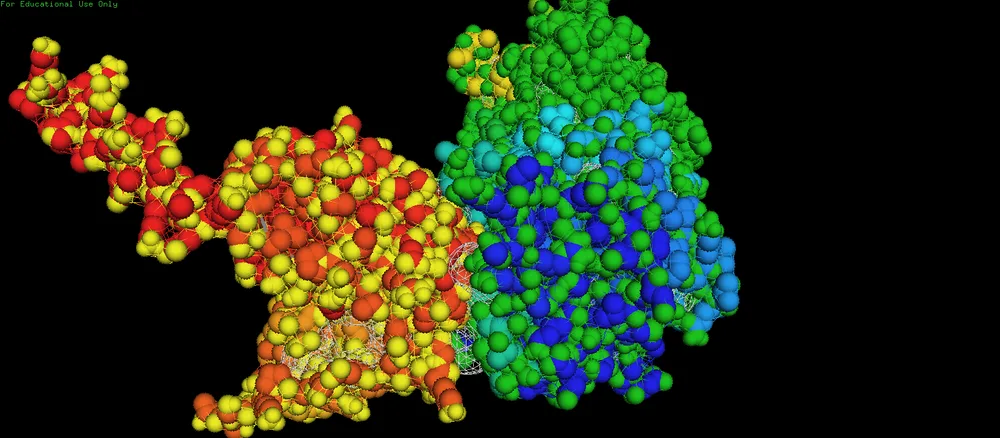
IMGENEX anti-PCSK9 ScFv program
An anti-PCSK9 therapeutic monoclonal antibody was developed by Amgen and marketed as Repatha (evolocumab). To provide a lower-cost alternative, IMGENEX INDIA has used AI-based in silico design to develop a series of anti-PCSK9 ScFvs that can neutralize PCSK9 activity.